

Myocardial Perfusion Scan
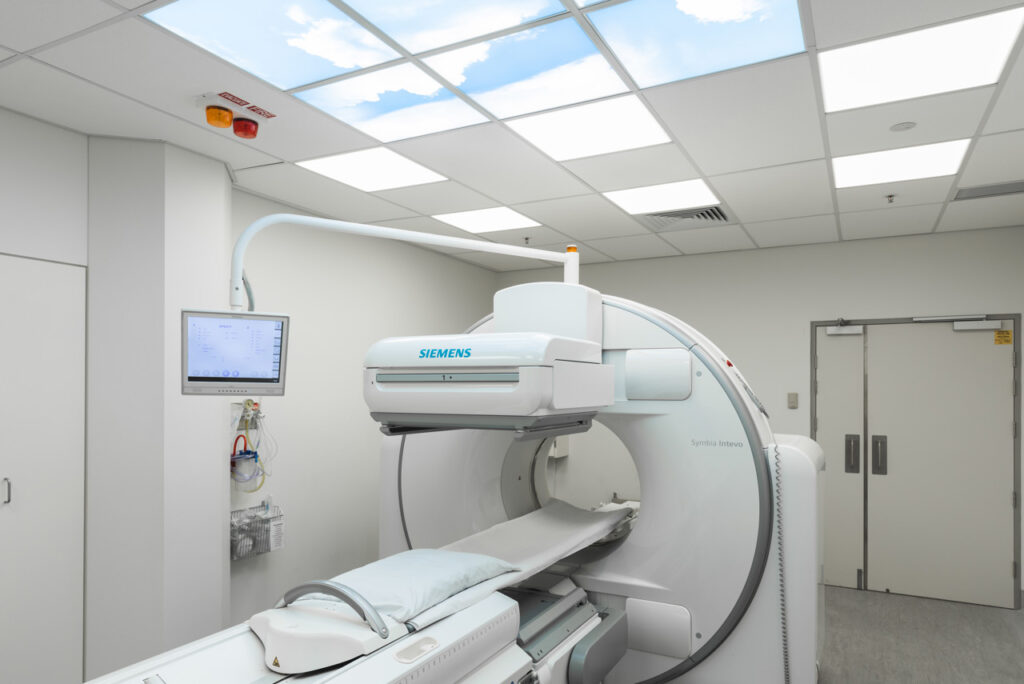
What is a Myocardial Perfusion Scan?
A myocardial perfusion scan (also known as a nuclear stress test) is an advanced imaging test that evaluates blood flow to the heart muscle both at rest and during stress. It helps identify areas of reduced blood supply, previous heart damage, and the overall function of the heart.
Why is this test performed?
Your cardiologist may recommend a Myocardial Perfusion Scan to:
- Assess blood flow to the heart muscle
- Detect significant coronary artery disease
- Investigate chest pain or shortness of breath
- Assess the severity of known coronary artery disease
- Evaluate previous heart attacks
- Help determine the need for further treatment such as coronary angiography or revascularisation
What happens during the test?
At Sunnybank Cardiopulmonary, the stress component of the study is performed under the supervision of one of our experienced cardiologists.
For most patients, this involves an adenosine stress test, where adenosine is administered through a small intravenous cannula to safely increase blood flow within the coronary arteries. Throughout the test, your ECG, blood pressure and symptoms are closely monitored.
Prior to and following the stress test, you will attend Queensland X-Ray, where specialised nuclear imaging is performed using a small amount of radioactive tracer. Images are obtained both after stressand at a rest to evaluate blood flow to the heart muscle.
Preparing for your appointment
You may be asked to:
- Avoid caffeine for 24 hours before your appointment
- Fast for several hours before the test
- Wear comfortable clothing
- Bring a list of your medications
- Follow any medication instructions provided by your doctor or our staff
How long does the test take?
The complete study takes 3 to 4 hours, including both the stress assessment and nuclear imaging.
Results
Your cardiologist will review the results of your Myocardial Perfusion Scan together with the nuclear medicine images. A comprehensive report will be forwarded promptly to your referring doctor.